
Kathmandu Travel and Photography Guide
An overview of Kathmandu travel, from historic squares and temples

Things to Do
A practical guide to things to do in Kathmandu

Places to Visit
A guide to places to visit in Kathmandu

Photography
Nepal photography guidance on preparation, light
Kathmandu at a Glance
Kathmandu is a layered destination, where national civic life shares space with older urban forms and religious landscapes. A Kathmandu travel guide benefits from distinguishing the valley’s geography from the varied places within it. The site is an independent English-language information guide, offering context rather than bookings, retail, instruction, or travel services. Its focus connects place names and cultural settings with the interests of travelers and photographers.
Capital and Valley Setting
Kathmandu is Nepal’s capital, located at roughly 1,400 metres above sea level in the Kathmandu Valley. The valley is an inhabited basin rather than a single continuous city: Kathmandu sits alongside other historic urban centers, including Patan, now part of Lalitpur, and Bhaktapur. These places developed as distinct civic and cultural centers, with traditional neighborhoods and religious sites woven into urban life. Hindu temples, Buddhist stupas, and monasteries appear across the valley, not only within Kathmandu’s central districts. This setting helps explain why city visits often extend across municipal boundaries; relatively short journeys connect places with different histories, architecture, and patterns of daily life.
Subjects Covered by the Guide
The guide groups its coverage around places, visual interests, and historical context.
- Historic squares: Civic plazas and palace precincts, including Kathmandu Durbar Square, show how royal, religious, and public life shared the old city’s center.
- Religious places: Temples, stupas, monasteries, and pilgrimage grounds introduce Hindu and Buddhist traditions across several urban centers in the valley.
- Neighborhood settings: Districts, markets, and residential lanes reveal how street patterns and local character change between central Kathmandu and surrounding historic towns.
- Photography: Coverage considers architectural details, wider city scenes, and the visual character of Kathmandu’s varied built environments.
- Earthquake history: The guide addresses the 25 April 2015 earthquake, its effects on heritage places, and the continuing recovery of damaged structures.
Together, these subjects connect individual landmarks with the broader cultural and urban context of the valley.
Things to Do in Kathmandu
Kathmandu offers more than a checklist of monuments: its landmarks, streets, and cultural places reveal different layers of city life. A Kathmandu travel guide can help organize these experiences around the kind of setting you want to experience. Historic squares bring architecture and public space together, while neighborhood walks make smaller details of daily life easier to notice. Cultural sites add another perspective through religious practice, craft, and local history. The overview below groups these activities by experience rather than treating them as interchangeable stops.
Landmarks, Walks, and Cultural Places
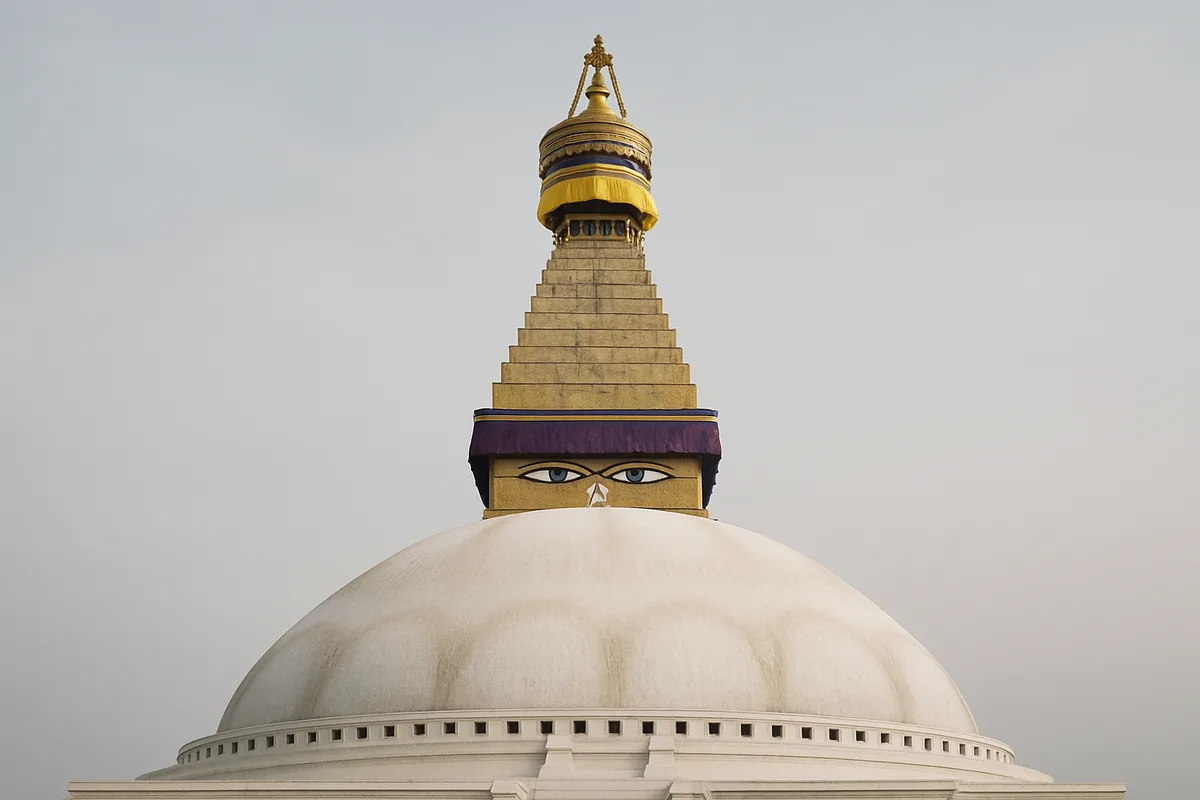
Landmark visits offer a focused way to encounter Kathmandu’s monumental spaces and recognizable architecture. Places such as Kathmandu Durbar Square, Swayambhunath, and Boudhanath give a sense of the city’s varied historic and religious settings without requiring every visit to follow the same pattern. Neighborhood walks shift attention from a single destination to the streets between destinations: courtyards, shopfronts, small shrines, and changing building styles can all become part of the experience. Cultural places, including temples and sites connected with local traditions, provide context for how these spaces remain part of everyday life. These three approaches work well as distinct choices: visit a landmark for its setting, walk a neighborhood to observe its texture, or spend time at a cultural place to see its role. Together, they show why the best places to visit in Kathmandu are not limited to one kind of attraction.
A Selected Overview
A Things to Do overview is a selected guide to subjects worth considering, not a live directory of opening times, closures, or access conditions. Its purpose is to connect broad interests—landmarks, walking routes, and cultural places—with the kinds of experiences they offer. That distinction matters in Kathmandu, where practical details can change and a general description cannot confirm what is available on a particular day. Treat descriptions of places as orientation, then check current information close to your visit when timing or entry matters. No undated overview should be read as confirmation of today’s schedule or on-site conditions. This approach keeps the selection useful for shaping interests while leaving time-sensitive details to current, dated sources.
Landmarks and Neighborhoods
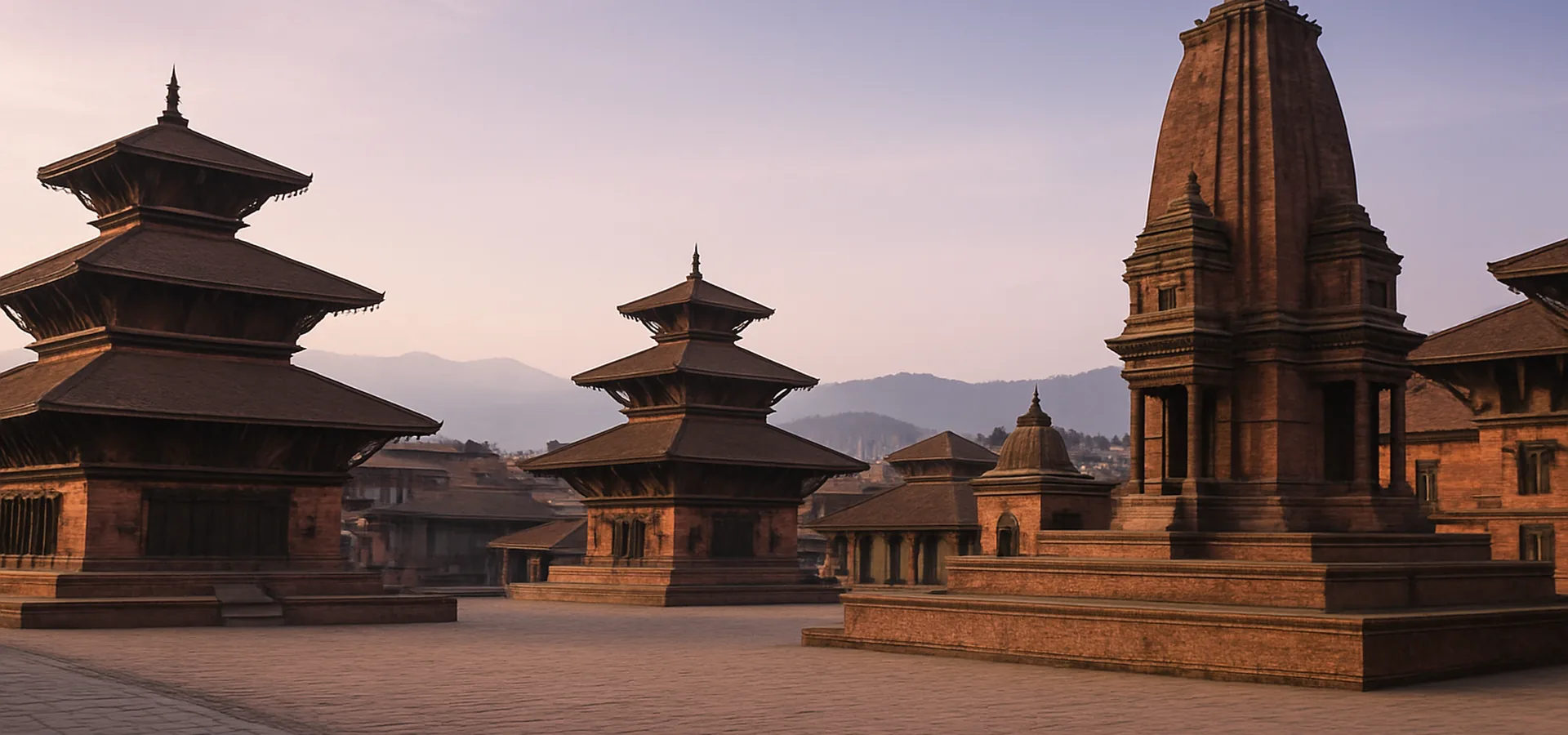
Kathmandu’s landmarks are not one continuous historic district: royal squares, religious precincts, and commercial neighborhoods have different built forms and purposes. The Places to Visit overview groups areas by character and context, distinguishing heritage settings from places shaped by daily urban life and visitor services. Historic squares center on palace courtyards and civic monuments, while religious sites are also active places of worship and pilgrimage. The comparison below places these settings within the wider Kathmandu Valley without treating them as interchangeable.
Historic Squares and Religious Sites
Historic squares and religious precincts offer different perspectives on Kathmandu’s cultural heritage sites. The sites below belong to the Kathmandu Valley UNESCO World Heritage property, inscribed in 1979.
| Place | Setting and features | Cultural role | Visitor context |
|---|---|---|---|
| Kathmandu Durbar Square | Historic city center; Hanuman Dhoka palace complex | Former royal and civic center | Palace courtyards and monuments present a concentrated account of Kathmandu’s royal history. |
| Patan Durbar Square | Lalitpur; palace-fronted square with temples | Historic royal center and Newari urban heritage | Useful for seeing how temples and palace architecture define a compact civic space. |
| Bhaktapur Durbar Square | Historic city of Bhaktapur; palace buildings and temple-lined streets | Royal and civic heritage | Its setting extends into the surrounding historic urban fabric. |
| Swayambhunath | Hilltop west of central Kathmandu; stupa and monastery precinct | Buddhist religious center | The elevated setting distinguishes it from the dense street-level squares. |
| Boudhanath Stupa | Large stupa in Kathmandu’s northeastern urban area | Major Buddhist pilgrimage focus | The open stupa-centered precinct differs from palace squares and narrow market streets. |
| Pashupatinath | Hindu temple complex beside the Bagmati River | Important Hindu religious center | The river setting and temple precinct provide a distinct religious and cultural context. |
Together, these places show why a Kathmandu Valley travel itinerary benefits from distinguishing royal centers, Buddhist precincts, and Hindu temple grounds.
Thamel and Neighborhood Character
Thamel is an urban neighborhood rather than a historic palace square or a single temple precinct. North of Kathmandu’s central historic core, it is known for a dense mix of hotels, restaurants, shops, and businesses serving travelers. Its streets are shaped by commerce and accommodation, so the experience differs from the courtyards and religious compounds that anchor the valley’s older landmarks. The Places to Visit overview treats areas such as Thamel by character and context: a visitor-oriented neighborhood is considered alongside, but not mistaken for, a heritage site. Other parts of the city are better seen through their market activity, residential lanes, or concentrations of Newari buildings. This approach helps readers compare places by what defines them on the ground, rather than grouping every stop under the same label of landmark. Thamel can be a practical urban base, while historic districts and religious sites have their own distinct cultural identities.
Kathmandu Travel Guide
Kathmandu’s historic places sit within a busy capital shaped by long-standing cultural traditions and modern city life. This setting helps visitors see temples, courtyards, streets, and markets as parts of a connected urban landscape. A useful Kathmandu travel guide also separates lasting context from practical details that may change before a visit. The sections below explain both perspectives.
City and Cultural Context
Kathmandu is Nepal’s capital, set in a populated basin at roughly 1,400 metres above sea level. Its urban fabric combines dense historic quarters with newer residential areas, commercial streets, government offices, and expanding traffic corridors. Historic buildings are therefore part of an active city rather than a separate museum district: people work, trade, worship, and meet in and around them.
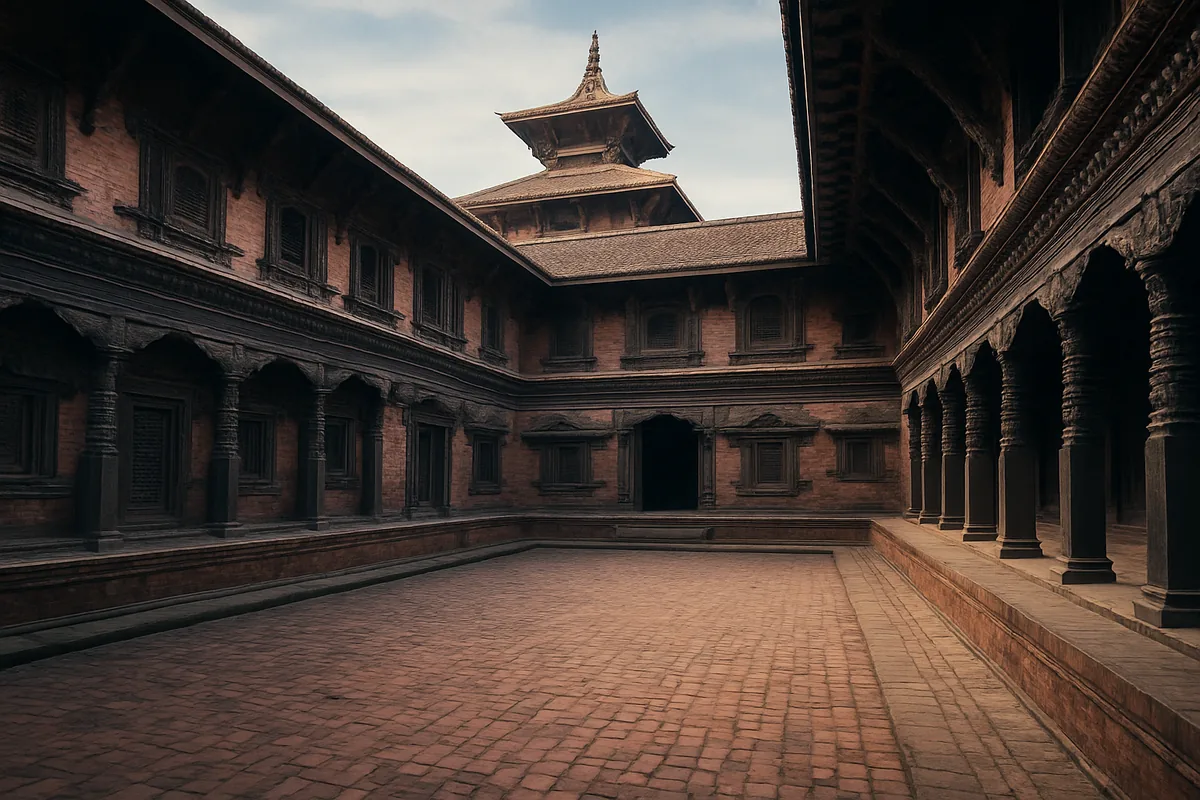
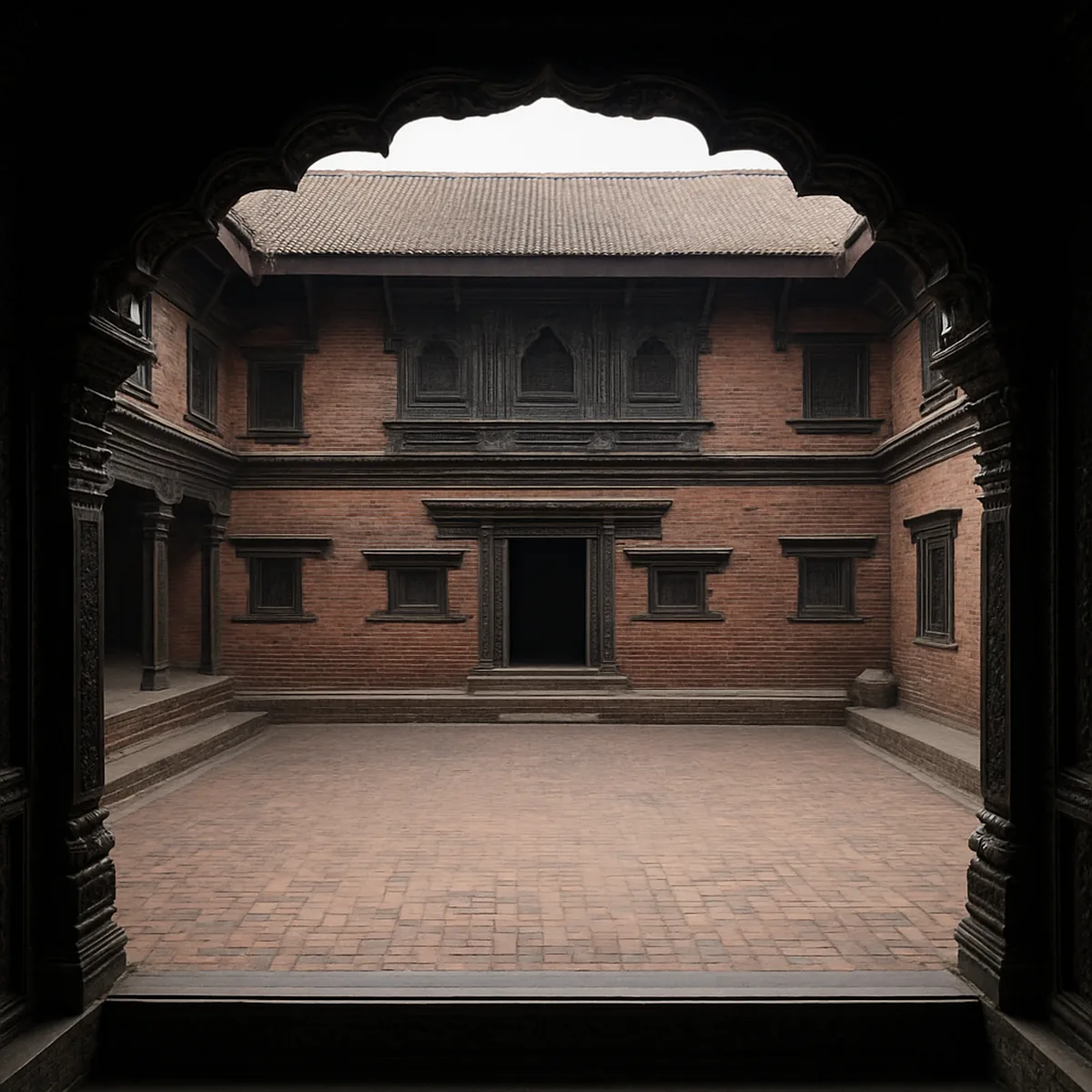
Newar communities have shaped the Valley’s urban traditions, including distinctive brick façades, carved timber windows, inner courtyards, and public squares. Hindu and Buddhist practice are both visible in the city’s religious life, sometimes within closely connected neighborhoods and shared streets. These layers give Kathmandu cultural heritage sites meaning beyond their appearance: architecture, daily use, and community memory are closely linked. This relationship helps show why a quiet shrine, a busy market lane, and a historic courtyard can all belong to the same city story.
Planning Conditions
Practical planning involves more than distance on a map. Road congestion, construction, weather, public events, and local transport availability can affect how long movement between neighborhoods takes. Entry arrangements, opening hours, ticket prices, restoration work, and access to individual sites may also change. Treat these as details to confirm for the dates of travel, not as fixed features of the city.
General context—such as Kathmandu’s compact historic core and the presence of busy urban districts—can help shape expectations, but it cannot confirm a particular day’s arrangements. Check current notices from the relevant site, transport provider, or Nepalese authority before setting out, especially when a visit depends on a specific opening time or route. Official information can be updated after changes in operations or public conditions; where details are unclear, contact the responsible institution directly. This distinction keeps plans adaptable without relying on outdated schedules, access information, or local requirements.
Planning a First Visit
A first visit to Kathmandu involves choices about how much time to give historic sites, neighborhood streets, and unplanned pauses. The Kathmandu travel guide approach is to set priorities without treating every stop as an equal-length visit. Distances on a map do not show how long a courtyard, market lane, or busy square may hold your attention. A flexible plan leaves room to adjust the balance as the city’s details become clearer.
Balancing Places and Time
Choose a few historic sites that matter most to you, then decide how much neighborhood time fits alongside them. These criteria help shape a flexible visit rather than a tightly timed checklist.
- Set a historic-site priority: Select the squares, temples, or other heritage places that best match your interests, instead of trying to give every landmark equal attention.
- Balance landmark visits with local streets: Pair time inside major sites with nearby neighborhood walks, where homes, workshops, and everyday routines offer a different view of the city.
- Allow for different visit lengths: A compact courtyard may take less time than an extensive square or a site with several connected areas; avoid assigning identical blocks.
- Choose a comfortable pace: Consider how many substantial stops you can enjoy in one day without making each visit feel like a brief transition to the next.
- Leave observation periods open: Keep some unscheduled time between planned places, so an interesting lane, building detail, or street scene can shape the day naturally.
The useful balance depends on your interests and energy, not on checking off the largest number of places.
Observation Between Stops
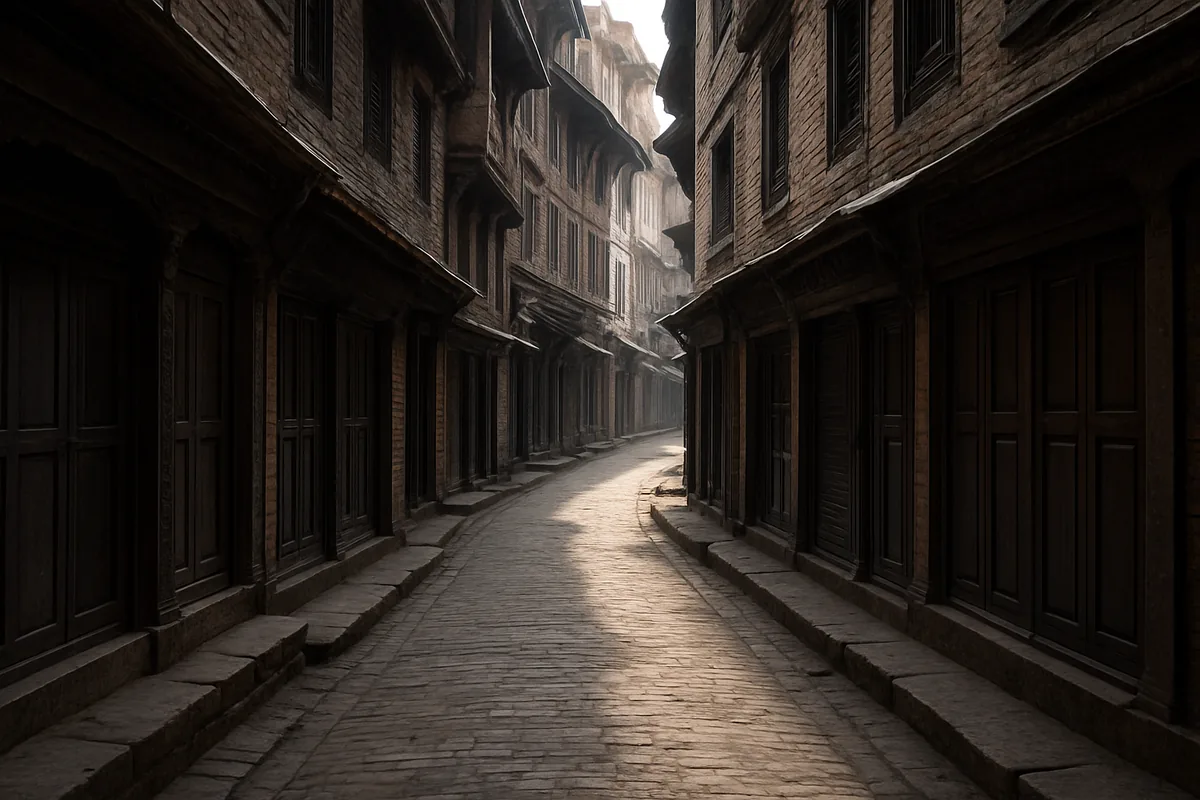
Time between named places can reveal how Kathmandu’s built environment and daily activity connect. A short walk may shift from a broad square to a narrow lane, with carved timber windows, brick façades, and small courtyards appearing along the way. These details give architectural context that a visit focused only on landmark interiors can miss.
Street activity also changes from block to block: shopkeepers arrange goods at doorways, neighbors gather near local shrines, and market traffic moves through shared spaces. Pause long enough to notice how people use a setting, rather than treating every street as a route to the next destination. Such observation adds texture to visits to Kathmandu cultural heritage sites and helps make neighborhood time as meaningful as a scheduled stop.
Nepal Photography Guide
A Kathmandu photography guide benefits from preparation that leaves room for observation rather than constant equipment adjustments. The city brings together open squares, narrow lanes, markets, and active religious spaces, each with different light and visual layers. A compact kit and deliberate framing help you respond to those changes while keeping attention on the setting. At cultural and religious sites, local rules and requests should guide whether and how you photograph.
Preparation and Field Practice
A simple routine makes it easier to move through Kathmandu with your attention on the surroundings. Before setting out, prepare for changing conditions and keep your equipment manageable.
- Charge camera and phone batteries, carry one spare if available, and check that memory cards have enough space for a full day of photographs.
- Use a camera or phone you can carry comfortably; a standard zoom or phone’s main lens handles architecture, street scenes, and wider views.
- Keep a microfiber cloth accessible for dust or fingerprints, and store equipment in a small bag that stays close in crowded lanes.
- Review basic exposure controls before walking, especially exposure compensation, so bright courtyards and shaded doorways do not require lengthy menu searches.
- At religious and cultural sites, follow posted rules and requests from staff or worshippers; ask before photographing people or activities when appropriate.
A brief check of your kit, camera settings, and site guidance helps maintain a respectful pace without interrupting daily activity.
Light and Composition
Light changes quickly between Kathmandu’s open squares and narrow streets, where buildings can cast deep shade even when nearby rooftops are bright. The best time to photograph Kathmandu depends on the subject: early or late daylight can add directional shadows to façades, while softer overcast light can reveal detail in carved wood and stone. Check the scene rather than relying on a fixed schedule. For composition, compare a direct view with a position slightly to one side; a shift of a few steps can separate a temple roof from signs, wires, or passing traffic. Include foreground details such as paving, doorways, or market goods to show scale, and watch the frame edges for clutter. In Kathmandu street photography, layered backgrounds can convey movement, but a cleaner angle often makes an architectural subject easier to read. Choose the viewpoint that best explains the setting.
Photographing Kathmandu Respectfully
Photographs of Kathmandu’s people, ceremonies, and sacred spaces carry responsibilities beyond making a compelling image. A person’s presence in a public street does not automatically mean they welcome a close portrait, and a ceremony is not a performance arranged for visitors. Temples and other religious sites may set different conditions for photography in different areas. Attention to consent and current site directions helps keep photography considerate and unobtrusive.
Consent Around People and Ceremonies
Ask before making a close portrait, especially when someone is praying, working, or taking part in a family ritual. A brief question and a pause give the person room to agree or decline; if you do not share a language, show your camera and indicate the portrait you have in mind. Treat hesitation, turning away, or a request to stop as a refusal, and lower the camera without pressing for an explanation.
A public gathering does not make every participant a willing subject. Keep clear of the activity rather than stepping into a ceremony for a better angle, and do not interrupt prayers to arrange a pose. When photographing children, seek permission from a parent or guardian. These choices are central to responsible photography in Nepal: consent concerns the person’s control over their image, not simply whether the shutter can be released.
Rules in Sacred Spaces
Photography conditions can differ between a courtyard, an interior, and an active place of worship, even within the same complex. Look for posted directions and ask site staff or a responsible local representative when the permitted areas are unclear. A request not to photograph should be followed; do not assume that permission in one part of a site applies elsewhere or that a camera phone is exempt.
Directions may change with the space or occasion, so avoid treating a remembered rule as current guidance for every Kathmandu temple. The photography guide covers practical field considerations, including checking before shooting, keeping movement unobtrusive, and responding promptly to a request. Following site-specific directions matters more than securing a particular frame.
Special Kathmandu Photography Spots
Kathmandu photography spots span monumental courtyards, active religious precincts, crowded bazaars, and quieter residential lanes. Each setting offers distinct forms, from carved timber windows and brick façades to prayer wheels, shopfronts, and passing street life. The city’s compact mix makes it possible to encounter several visual environments within a short distance, though their character changes by hour and season. A location’s photographic appeal depends on more than its landmark status: the angle of light, nearby activity, and available access all shape what can be observed. Treat these places as varied scenes, not as guaranteed views or fixed conditions.
Religious Landmarks, Markets, and Lanes
Kathmandu’s varied scenes offer subjects beyond landmark façades, from broad temple courtyards to close street-level details. These locations make a useful starting point for Kathmandu street photography.
- At Swayambhunath, the hilltop setting brings the stupa’s white dome, painted eyes, prayer wheels, and surrounding rooftops into one layered urban view.
- Around Boudhanath, the circular stupa precinct places shop signs, devotional objects, brick façades, and the movement of visitors within the same streetscape.
- Kathmandu Durbar Square combines palace architecture, carved wooden windows, pagoda roofs, and open courtyards, with details that reward attention at ground level.
- Asan and Indra Chowk offer dense market scenes, where spice displays, fabric stalls, hanging signs, and narrow building fronts meet along busy routes.
- Residential lanes near older courtyards reveal everyday architectural details, including recessed doorways, carved lintels, brick patterns, and small shrines set into walls.
These Kathmandu photography spots differ in scale and pace, so a wide view of a square and a close study of a doorway can tell distinct stories.
Changing Light and Access
Light shifts quickly between open squares, narrow lanes, and enclosed courtyards. In the morning, east-facing façades may catch direct sun while nearby streets remain shaded; later, buildings can block low evening light. Golden hour photography in Kathmandu is therefore location-dependent, not a citywide window that illuminates every landmark at once. Seasonal cloud, haze, and rain also alter contrast and color, while rooflines and surrounding structures shape sightlines. Access can vary by site, time, ceremony, maintenance, or other local activity, and a familiar viewpoint may not always be available. Treat published images as examples of particular moments rather than promises of current conditions; confirm practical details close to a visit.
Kathmandu and the 2015 Nepal Earthquake
The 25 April 2015 earthquake changed the condition of historic places across Kathmandu and the wider valley. Its effects are part of the city’s recent history, alongside the longer story of its temples, courtyards and palace squares. A historical account can trace both the damage and the varied work of recovery without reducing the event to a single image of destruction. It also helps explain why heritage places may show different stages of repair and preservation.
Heritage Effects and Recovery
The 25 April 2015 Gorkha earthquake, with a magnitude of 7.8, caused severe damage across the Kathmandu Valley. In Kathmandu, historic brick-and-timber buildings, temples, courtyards and palace complexes were affected; some structures collapsed, while others sustained cracks, leaning walls or weakened roofs. The damage changed the physical setting of important heritage places and showed how traditional masonry buildings can be vulnerable to strong shaking.
Recovery has involved debris clearance, temporary support, structural assessment, conservation and reconstruction, with work progressing differently from site to site. A historical account follows these effects and the work that came after, treating repair as part of the city’s continuing heritage history rather than as a finished episode. Decisions about restoration have involved surviving building fabric, traditional construction methods and the future use of each place. The result is a varied landscape in which older craftsmanship and later repairs may stand side by side.
Documented Historical Context
Documented history places the earthquake within a sequence: the event, the damage assessments that followed, and successive phases of stabilization and restoration. Conditions varied between buildings, even within the same historic area, so the state of one temple or courtyard cannot represent every heritage site in Kathmandu. Records of damage and repair help distinguish collapsed structures from buildings that remained standing but needed substantial work.
Following those changes over time gives a more precise account than describing the entire valley as either destroyed or restored. It also keeps attention on the physical evidence: altered walls, rebuilt sections and surviving historic fabric. For readers interested in Kathmandu’s cultural heritage, this context connects the 2015 earthquake to the ongoing care of historic places without relying on dramatic generalizations.
Who This Guide Is For
Kathmandu draws visitors for its historic squares, temples, and densely layered neighborhoods. First-time visitors may want context connecting places such as Kathmandu Durbar Square and Boudhanath with the communities that use them. Photographers often share that interest while approaching the city through architecture, street scenes, and religious life. The focus is cultural context rather than organized tours or booking services.
Travelers and Cultural Context
Travelers interested in Kathmandu’s cultural places often want context for how a historic square, active shrine, and neighborhood fit into daily life. Kathmandu Durbar Square combines palace courtyards with temple architecture, while Boudhanath is a major Buddhist pilgrimage destination. Background on Newari architecture and Hindu and Buddhist traditions helps visitors recognize that these settings have distinct roles, not interchangeable monuments.
First-time visitors and returning travelers can use such context to notice carved timber windows, courtyard layouts, and the relationship between worship and public space. It also connects individual landmarks with the Kathmandu Valley’s broader cultural landscape, making a walk through a square or market street more legible without prescribing a fixed route.
Photographers Seeking Context
Photographers seeking a Kathmandu photography guide often want to know what an image represents, not only how a scene is framed. A view of Swayambhunath, a street market, or an active temple courtyard can include worshippers, offerings, and everyday movement; each setting carries a different social and religious context. That distinction matters to visitors who want photographs to record a place without reducing ceremonies or people to visual details.
Readers interested in Kathmandu street photography may compare architectural views with ordinary city life, such as vendors arranging goods or residents moving through narrow lanes. Context helps them recognize when a frame centers a person, a ritual, or a sacred object, and why each subject calls for different attention. The aim is informed image-making across public streets and religious settings, with awareness of people, ceremonies, and sacred places.
How to Use This Guide
Kathmandu’s many subjects are easier to navigate when information is grouped by purpose. Hub pages connect broad introductions with focused material on places, photography, and history. This structure lets readers follow one subject without treating every landmark or practical detail as part of the same itinerary. Current arrangements, however, can change, so planning details need a separate check against official sources.
Finding Focused Guides
Hub pages organize the Kathmandu travel guide by subject, leading from an overview to focused material on particular places, photography, or history. Each route answers a different kind of question: where a place fits in the city, how a photographic subject is approached, or what historical context helps explain a site.
Place-focused material can help readers follow an interest in Kathmandu Durbar Square, Swayambhunath, or Boudhanath without requiring a single fixed route. Photography-focused guides group material around subjects and settings, while history-focused guides give context to landmarks and changes over time. The same location may appear in more than one subject area, but each treatment serves a distinct purpose.
Readers can move from a broad overview to the subject that matters most, then use related focused guides to add context. For example, someone researching a heritage site can pair its place information with relevant historical background, while a photographer can follow material about a chosen setting. This organization keeps related details together and makes it easier to compare topics without confusing travel orientation with historical interpretation.
Checking Current Information
Access, opening schedules, photography rules, and local conditions can change, so information about a site should be confirmed close to the intended visit. For heritage properties, the relevant site authority or Nepal’s Department of Archaeology is an appropriate source for current notices; local authorities can clarify municipal access and event arrangements.
Check the specific details that affect a visit, including whether an area is open, whether an event changes access, and whether any site rules apply to photography. A published schedule may not reflect a temporary closure or a change made for a ceremony, maintenance, or public occasion.
Conditions beyond individual sites can also affect plans. For weather information, consult Nepal’s Department of Hydrology and Meteorology; for transport changes, use current notices from the relevant operator or authority. Recent official updates are more reliable for day-to-day arrangements than older descriptions, which may remain useful for cultural or historical context.
Travel Guide
Kathmandu at a Glance
Kathmandu’s historic places sit within a busy capital shaped by long-standing cultural traditions and modern city life. A Kathmandu travel guide benefits from distinguishing the valley’s geography from the varied places within it.